Kate’s Marvellous Medicine

Let me say straight off that my sister named this post. It wasn’t my idea to put myself in the title, but she insisted. I’m not altogether sure whether it’s a compliment or a dig – after all, she was likening my style of cooking one evening to George’s method of creating a medicine for his Grandma in Roald Dahl’s story of George’s Marvellous Medicine:

George had absolutely no doubts whatsoever about how he was going to make his famous medicine. He wasn’t going to fool about wondering whether to put in a little bit of this or a little bit of that. Quite simply, he was going to put in EVERYTHING he could find. There would be no messing about, no hesitating, no wondering whether a particular thing would knock the old girl sideways or not. The rule would be this: whatever he saw, if it was runny or powdery or gooey, in it went.

It all started with a fridge full of leftovers. There was half a chunk of cooked beef brisket, a slightly bendy parsnip, the bulb end of a small and apparently seedless butternut squash and a couple of boiled potatoes. Because of my inability to keep tabs on the contents of the vegetable drawer when in a supermarket, there were also about three separate bags of carrots, all in various degrees of freshness.

It all needed using and O wasn’t around to judge, so I decided to throw everything together into a sort of parsnippy, potatoey, carrotty, beef stew. With a tiny bit of butternut squash. So what if it’s Summer?

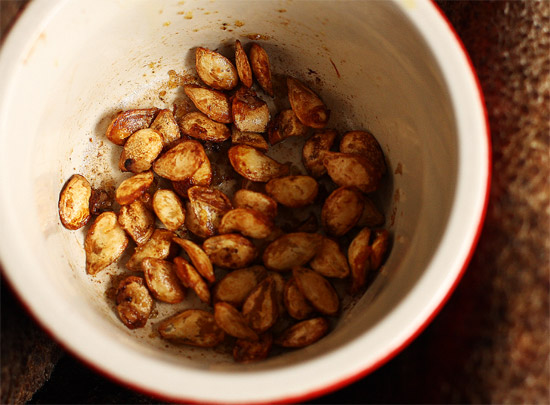
The tiny amount of butternut squash that I could add to the stew became even smaller when I discovered the seeds clustered in the very end of the bulb. Lucy became rather excited at this point and rescued the seeds from where I’d scooped them out onto the pile of peelings designated for the compost bin. In a moment of brilliance, she doused them in olive oil, sprinkled them with sea salt and roasted them in the oven until they turned golden and puffed. Wow. They were absolutely delicious, each seed exploding in your mouth with an intense, toasted popcorn flavour. From now on, I’ll be buying butternut squash for the seeds alone!

It was then that things started to become more complicated. A couple of the girls’ friends from the village popped in and commented hungrily on the tasty smells coming from our kitchen. I took pity on them and found myself inviting them to stay for dinner. Uh-oh. What had started out as a meagre stew for my sister and me now needed to expand rapidly to satisfy the appetites and expectations of four ravenous children as well.

Carrots. Kids like carrots and I had a vegetable drawer full of the things. I chopped them all up and added them to the pot. I also poured in a tin of tomatoes for good measure. As I stirred the stew however, I had a growing feeling of unease. No way were the children going to eat this. It was far too lumpy. All those carefully diced vegetables and finely sliced onions just weren’t the sorts of things I could imagine disappearing quickly from the plates of these girls.

The Magimix food processor comes in handy for moments like this. The stew transformed into broth at the push of a button. Instead of serving it with mashed potato, I could now present it as a pasta sauce. No problem.

Only there was a problem. It wasn’t until after I’d added the beef to the mulch that I realised it was still too grainy – I hadn’t blended it for long enough, and now it was too late to tip it back into the Magimix for another attempt. I looked for a more hopeful second opinion, but Lucy agreed. No way were the children going to eat this.

That was why things got messy.

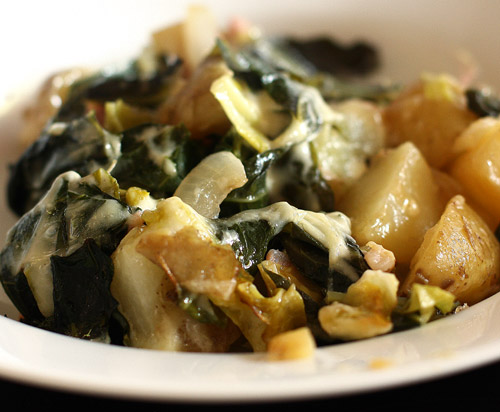
I know it doesn’t look good, but sieving the whole mixture was a master stroke. The liquid that drained from the lumpy, gooey mulch was smooth, clear and perfectly flavoured with a balance of carrot, tomato, parsnip and butternut squash. Far from having cooked up something destined only for the dustbin, we had created an award-winning pasta sauce.
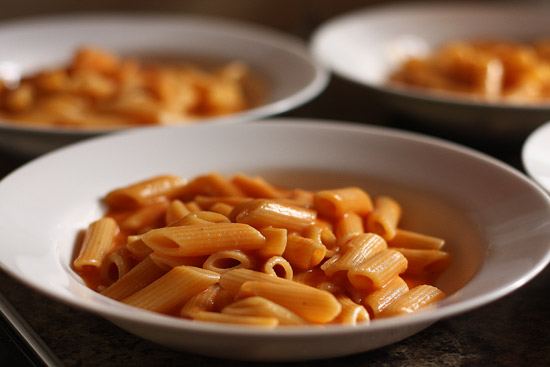
Fortunately, the girls thought so too.

It doesn’t happen very often in my experience of cooking for children, but what better endorsement is there than plates like these?!
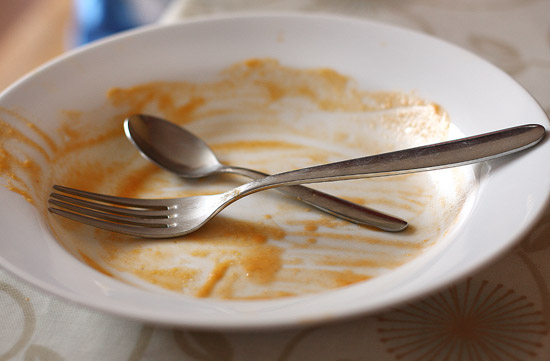
The only downside was that Lucy and I were left with a pan full of mush for our dinner. Yum.

This was when Lucy came up with the title for this post. She watched me pull a random selection of spice jars from the shelf and dump the powders indiscriminately onto the top of the mulch.

“Great,” she commented. “Kate’s Marvellous Medicine.”
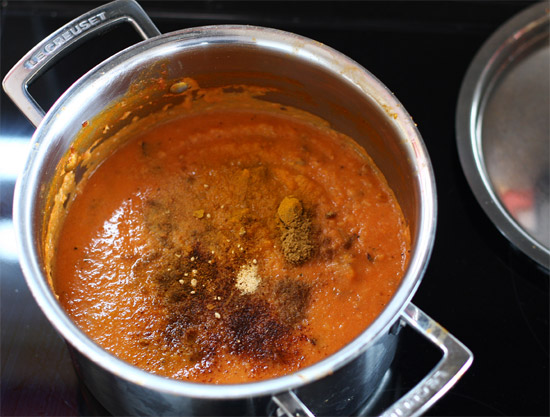
I gave it a stir, shoved it in the oven and ignored it until the children were in bed.

Eh voilà!

Beef curry.

It was a tasty one, too. Even Lucy said so, which is quite something considering that she had witnessed the madness of the whole evening’s cooking process!

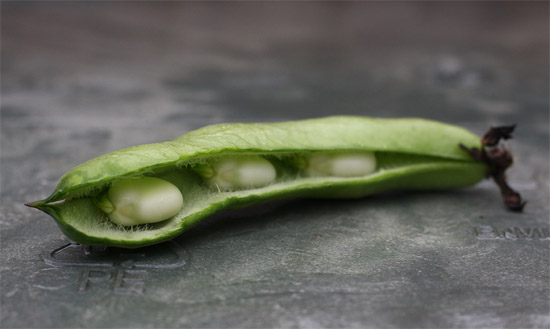
Broad Beans are Sleeping in a Blankety Bed

The weeks since my last post have passed under the shadow of my brother-in-law’s untimely death from a rare sarcoma at the beginning of July. His presence is felt throughout A Merrier World, from the endless brownie photos to the icing-sugar cloud of despair, the Curry Corner to the cookies … He is deeply missed.

Meanwhile, our garden has been bursting with new life, not least with a glut of broad beans.

I promised my sister that I’d write a post with this title, so here it is.

Good Old Tasty English Cheddar Cheese

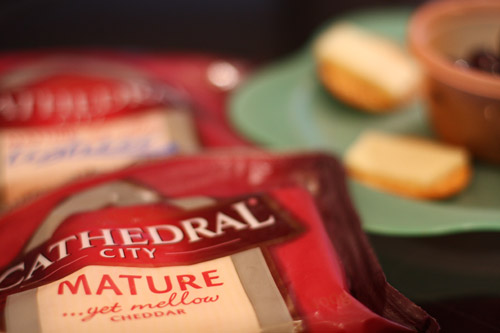
Cathedral City mature

It’s no secret around here that we love cheese. From Dolcellate (which was an annual Christmas present from a client when O was working as a vet in Dorset) to Brie de Meaux (which explodes with the taste of honey when tasted with a sip of red wine), and from a goat’s cheese pyramid (which I carried in my handbag to London as a present for my sister) to Pont l’Eveque (which just plain stinks, but tastes gloriously rich if you can get beyond the smell of mouldy socks), the cheese board has a position of elevated importance for us in the course of a fine dining experience.

However, setting aside all regional and continental considerations …

If you’re wondering what to eat,
There’s one thing you cannot beat –
That good old tasty English Cheddar cheese.

As sung by The Wurzels.

In 2008, Cheddar was voted the nation’s favourite cheese in research by the British Cheese Board. Cheddar cheese and pickle sandwiches, Ploughman’s lunches … 90% of all households turn to Cheddar for its versatility. Whilst O and I mostly prefer to eat our Cheddar straight, with or without any crackers,  it also excels when used as a bubbling topping on Shepherd’s pie, a creamy sauce for Macaroni and a melted filling in toasted sandwiches.

Cheddar is apparently the most purchased and consumed cheese in the world, with all modern variations originating from a recipe developed on the land around the village of  Cheddar in Somerset hundreds of years ago. The earliest references to Cheddar cheese date from 1170, when it is recorded that King Henry II bought 10,240 lbs of it at a farthing per lb (in modern terms, that’s 4644 kg for a total cost of £10.67).

All Cheddar cheeses are not created equal however, and an enduring question concerns how people choose which Cheddar to buy. With a possible taste profile ranging from extremely mild to extremely sharp, it’s obvious that the exact same Cheddar is unlikely to please everyone. In our house, we prefer the mature Cheddars for their sharpness, dislike a texture that is too gritty with salt and look for a taste that grows and develops in the mouth. Taste aside however, considerations such as price, packaging and promotional offers also influence the decisions that consumers make. Add health considerations to the mix and research shows that 16% of adults restrict the amount of cheese they eat, choosing to eat cheese less often, to eat smaller portions or to buy lower-fat substitutes.

When Cathedral City Cheddar contacted me and claimed that their lower-fat, Cathedral City Mature Lighter Cheddar cheese could deliver taste on a par with their mature variety, we were naturally intrigued. As far as pre-packed, block Cheddar cheese goes (as opposed to the more rarefied traditional farmhouse Cheddar cheeses), we’ve always gone to Cathedral City Mature (or even Extra-Mature) as our first choice. Apart from loving how the bags have a resealable thingymagig along the top (which saves wrestling with countless acres of annoyingly clingy clingfilm), we’ve always found Cathedral City to be  a good, flavourful everyday Cheddar that our children enjoy eating too.

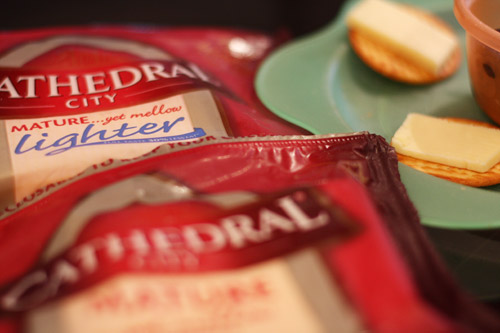
Cathedral City lighter

Cathedral City asked me if I would be interested in comparing their lighter mature variety with their macho, full-bodied cheddar, and I agreed. This was a particularly timely proposition as we had recently tasted a variety of low-fat cheeses at the Devon County Show and had been unanimously unimpressed by their blandness and rubbery texture. It would be interesting to see if Cathedral City had come up with something better …

We decided to conduct a double-blind experiment in which samples of Cathedral City Mature were compared for taste with samples of Cathedral City Mature Lighter cheese. I sliced and divided the samples; O fed one of each (not knowing which was which) to our willing guinea pigs …

Cathedral City taste taest

Although we found that the mature Cheddar does in fact have a more complex taste that lingers and develops for longer than that of the lighter cheese, we were very pleasantly surprised by the mellow flavour and creamy texture of Cathedral City Mature Lighter. When O took some taste-test samples  into work the next day, two of his colleagues couldn’t tell the difference at all and one even preferred the lighter cheese to the higher-fat Cheddar. This is quite a result for Cathedral City – researchers have been striving to create a reduced-fat cheese with these flavour and texture profiles for years (see this report by the National Dairy Foods Research Center Program, for example).

A quick search of the internet revealed that Cathedral City Mature Lighter is already a popular choice of Cheddar, especially among those who are weight-conscious or on a diet. Posters in this Slimming World forum all vote for Cathedral City Lighter with comments like:

“I like Catherdral City Lighter – really very nice.”

“Another vote for Cathedral City Lighter. Best low fat cheese I’ve tried.”

“Definitely Cathederal City Lighter! It’s so good and I can’t tell the difference between that and the full-fat one! Mmm! Don’t like the Weight Watchers one it’s like eating paper, ew!”

Incidentally, the chewy, rubbery texture that is usually associated with low-fat Cheddar is down to the function of fat. In full-fat cheese, larger fat globules create weaker spots in the network structure which in turn break down into smaller particles during chewing, thereby allowing a smooth, creamy texture to develop in the mouth. In low-fat cheese, there are not enough weak spots in the structure to create this texture, which leads to a firmer, rubbery texture that needs more chewing before swallowing. So you can see how impressive it is when a lower-fat Cheddar also has a smooth, buttery, creamy texture, even when melted …

melted Cathedral City cheese

Cathedral City’s Mature Lighter Cheddar cheese should certainly be seen as a welcome addition to the reduced-fat cheese market. Unlike many other lower-fat cheeses, it is something that people can both enjoy and feel good about eating (and if anyone’s stuck for inspiration on what to do with it, then Cathedral City also provide a wealth of recipes on their website). Ultimately, I hope that more people than ever can now be persuaded of the glories of that good old tasty English Cheddar cheese!

Wanted: Three Scarecrows

Wanted: Three Scarecrows for heavy-duty work minding extensive vegetable plots in a thriving kitchen garden. Training will be provided.

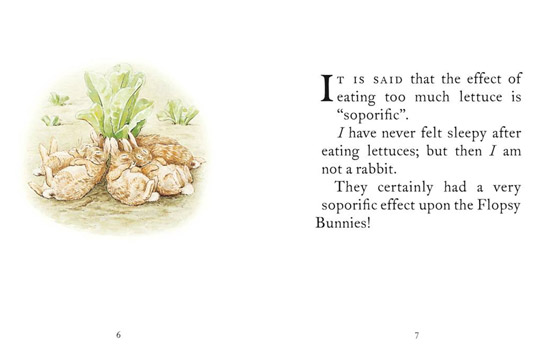
Experience of catching bunnies in the lettuces …

… is desirable but not essential.

Sorry, no recipes this month, with or without the lettuce. My three newly-appointed scarecrows became sick shortly after their trial period in the organic kitchen garden at Knightshayes Court (no causal effect implied) and I have spent the rest of May cleaning carpets rather than baking pans.

However, I do have one piece of good news. Rose is coming to stay with us again in Devon in September this year, and she’ll be bringing Woody with her this time, too! So – if anyone would like to be included in our reunion, please do leave a comment below and I’ll make sure that I email you nearer the time with details of when and where we’ll be having a get-together during their visit 🙂 .

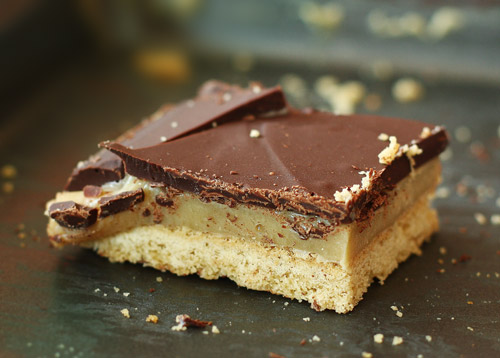
Caramel Shortbread: Going, Going, Gone!

You’re looking at the final slice, the very last square of that single most delectable confection that has ever tortured your sweet-toothed craving heart.

Buttery shortbread.

Oozing caramel.

Smooth, dark chocolate.

Perhaps you can’t see the beauty in this sticky, gooey slice. After all, I’m posting this on an Easter Sunday already replete with chocolate gifts in all shapes and sizes. Although L’s chocolate feast was delayed by her chorister duties at the Cathedral this morning, the choristers all made up for this by clutching armfuls of chocolate eggs as they emerged from the vestry after Mattins. By that time however, her younger sister and brother had already consumed an entire chocolate bunny each for breakfast. Things have been going downhill since then …

But when you’ve emerged from the nausea of the chocolate-induced hangover, do give this recipe a try. It didn’t hang around for too long in our fridge and I had to be quick off the mark to snap even this very last slice for you. A moment later, there was nothing more than a few lonely crumbs on an otherwise empty baking tray.

Chocolate Caramel Shortbread

Shortbread

2 oz light muscovado sugar
4 oz butter
5 1/2 oz self-raising flour

Caramel

3 oz light muscovado sugar
4 oz butter
2 tbsp golden syrup
1 x 14 oz tin condensed milk (NB not evaporated milk)

Chocolate

7 oz plain chocolate (or a mix of milk and plain)

Shortbread: Preheat the oven to 180 degrees C. Grease and base-line a 7″ x 11″ baking tray. Cream the butter and the sugar. Stir in the flour to make a smooth dough. Press into the base of the baking tray and bake in the centre of the oven for 10 to 15 minutes until golden.

Caramel: Place all the ingredients in a saucepan and stir over low heat until melted and combined. bring to a slow boil, stirring continuously to prevent burning. Simmer whilst stirring for 10 minutes until the caramel becomes a rich toffee colour and thickens. Pour onto the shortbread base, spread evenly and allow to cool thoroughly.

Chocolate: Melt then spread over caramel layer. Leave to cool, then cut into squares. Can be stored in the fridge for several days (if it hangs around for that long).

It’s probably best to cut it into squares before the chocolate becomes too firmly set. I left the whole tray for too long in the fridge before attempting to cut it into squares, hence the cracked chocolate layer. It’s certainly not a disaster – more of an aesthetic problem than a taste one!

  • Enter your email address to subscribe to this blog and receive notifications of new posts by email.

    Join 289 other subscribers
  • Seasonal Recipes

    candied peel

    baileys chocolate truffles

    gingerbread men

    mince pies

    fudge

    smarties cookies

  • Freshly Made

  • Categories

  • Favourite Feasts

  • Awards

    DMBLGIT Award
  • Archives

  • wordpress visitor counter
  • Adventures in food by Kate Coldrick from Woodbury in Devon.