Apple Custard Autumn: The Recipe

I’ve just been reminded that I promised the recipe for Apple Custard Cupcakes two whole months ago … so here it is (better late than never – sorry!). It’s a winning comfort-food if you were brought up on Bird’s custard powder, but I’m sure that your favourite custard recipe would be an ideal substitution for the filling if you haven’t the same homely associations as I have with licking clean the (Bird’s) custard spoon as a child (usually whenever my Mum was making an orange and Swiss Roll trifle).

applecustard

Apple Custard Cupcakes (adapted from The Australian Woman’s Weekly)

3 1/4 oz (90 g) butter, softened
1/2 tsp vanilla extract
4 oz (110 g) caster sugar
2 eggs
4 oz (110 g) self-raising flour
1 1/2 oz (30 g) custard powder
2 tbsp milk
1 apple, unpeeled, cored and finely sliced
1 1/2 oz (30 g) extra butter, melted
1 tbsp extra caster sugar
1/2 tsp ground cinnamon

Custard
1 tbsp custard powder
1 tbsp caster sugar
125 ml milk
1/4 tsp vanilla extract

Line a 12-hole muffin tray with paper cases. Preheat the oven to 180 degrees C.

Make the custard (if you’re going with Bird’s custard powder, mix a little of the milk with the powder, sugar and vanilla; heat the remaining milk until it begins to boil, then pour it onto the custard powder paste; stir to stop any lumps forming (unless you’re a traditional school dinner lady 😉 ), then pour it all back into the saucepan where it will thicken further with the residual heat).

In a large bowl, combine the butter, vanilla, sugar, eggs, sieved flour and custard powder. Mix at low speed until all ingredients are moistened, then beat at a medium speed until the mixture becomes a paler colour.

Divide half of the cake mixture among the paper cases. Spoon some custard onto each cake, then top with the remaining cake mixture. Spread the mixture to cover the custard.

Press the apple slices onto the tops of each cake.

Bake in the centre of the oven until golden – about 25 to 30 minutes.

Remove the cakes from the oven and brush the tops with melted butter while they are still hot. Sprinkle with a mixture of sugar and cinnamon. Transfer to a wire rack to cool.

Seasons of Light

A year ago, I wrote about the encroaching winter nights and the disappearing hours of sunlight. At the end of Autumn this year, we are once again closing our doors early in the evening and settling down in front of the warmth of our newly-installed woodburning stove.

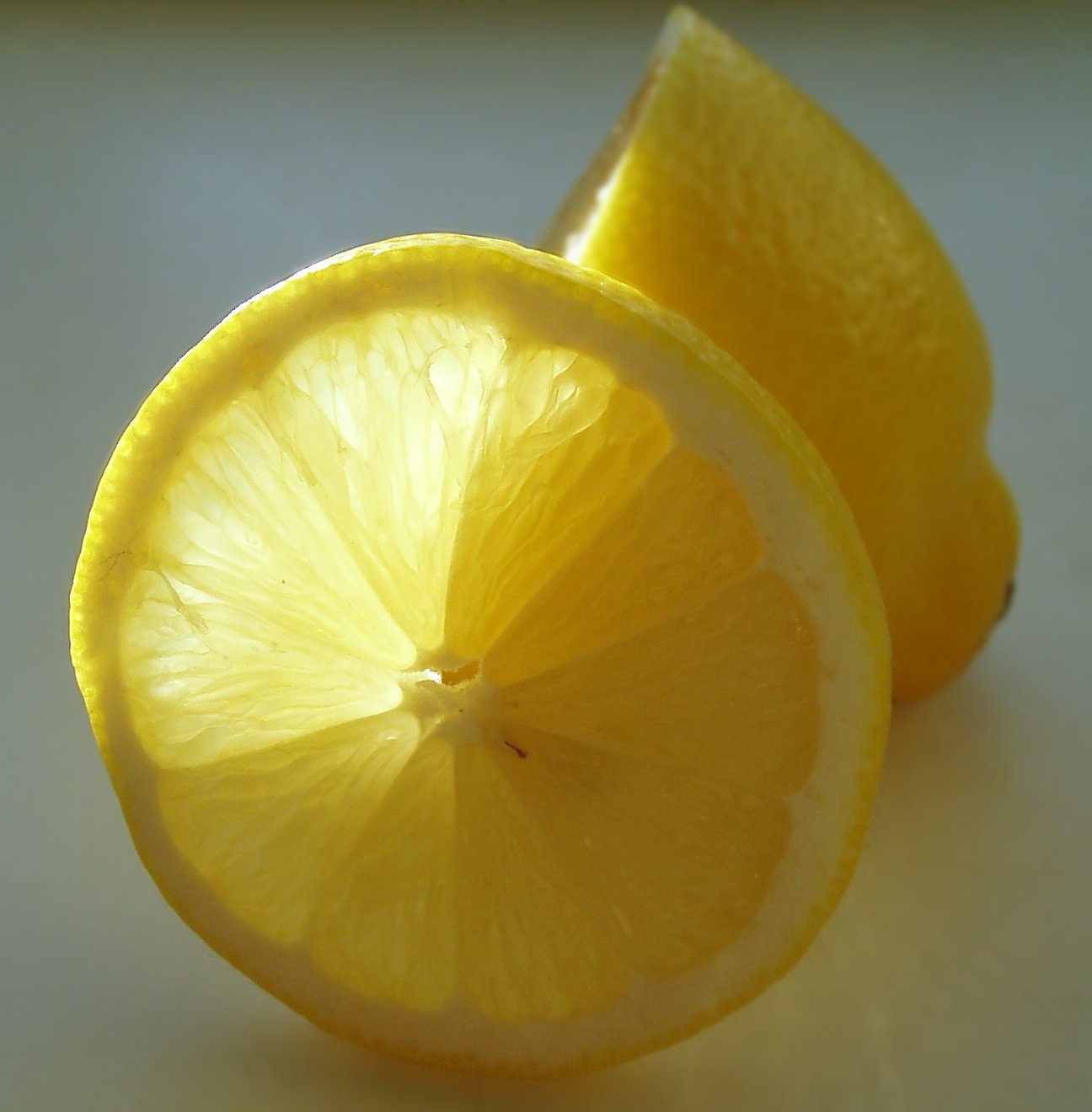
From Devali, Ramadan, Sankta Lucia, Chanukah, Kwanzaa, Las Posadas, Christmas and the early European traditions of the Winter Solstice, people in Northern parts have long marked the shortest day. Although we no longer fear that the sun will disappear forever unless we succeed in persuading the gods to return it to the earth, we still celebrate the new beginnings or ‘birth’ of the sun at the winter solstice by lighting candles in the darkness and bringing evergreens and fruits into our homes as reminders of the coming Spring.

lemonlight

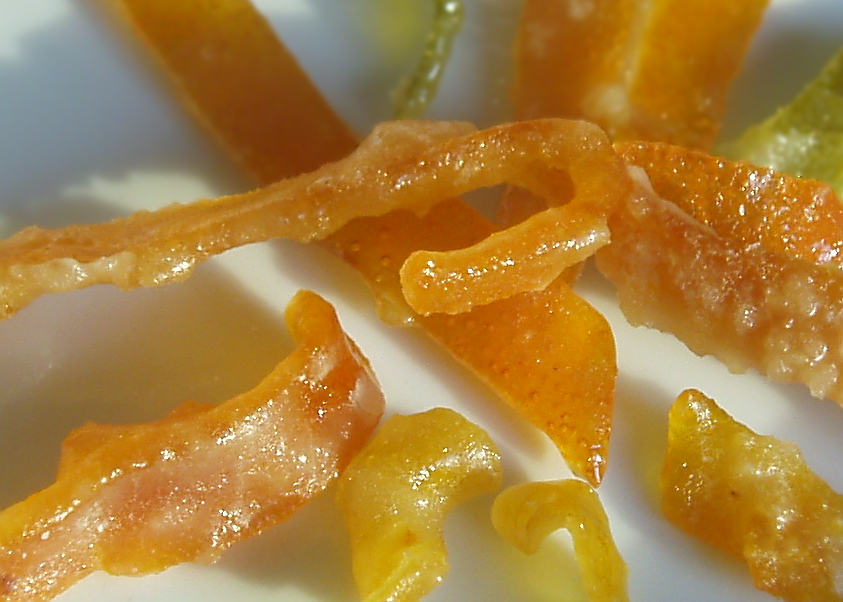
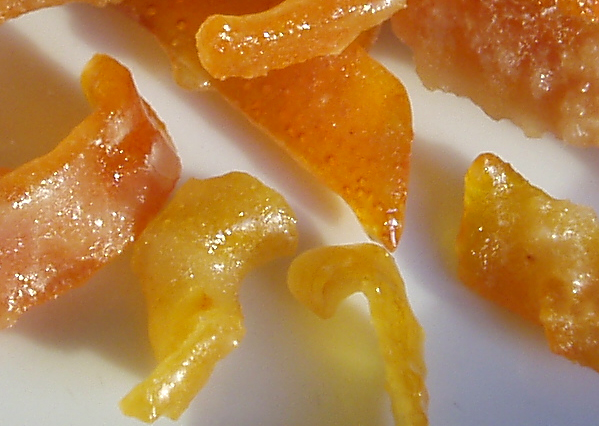
The theme for this month’s Sugar High Friday is very in tune with these Seasons of Light. Susan of The Well Seasoned Cook has asked us to celebrate all that glitters by making eye-catching, light-reflecting, irresistibly- dazzling, sweet creations. For my own contribution, I’d like to offer a recipe for candied peel with additional details this year on the easiest way I’ve found (so far) to separate the peel from the pith.

candied peel

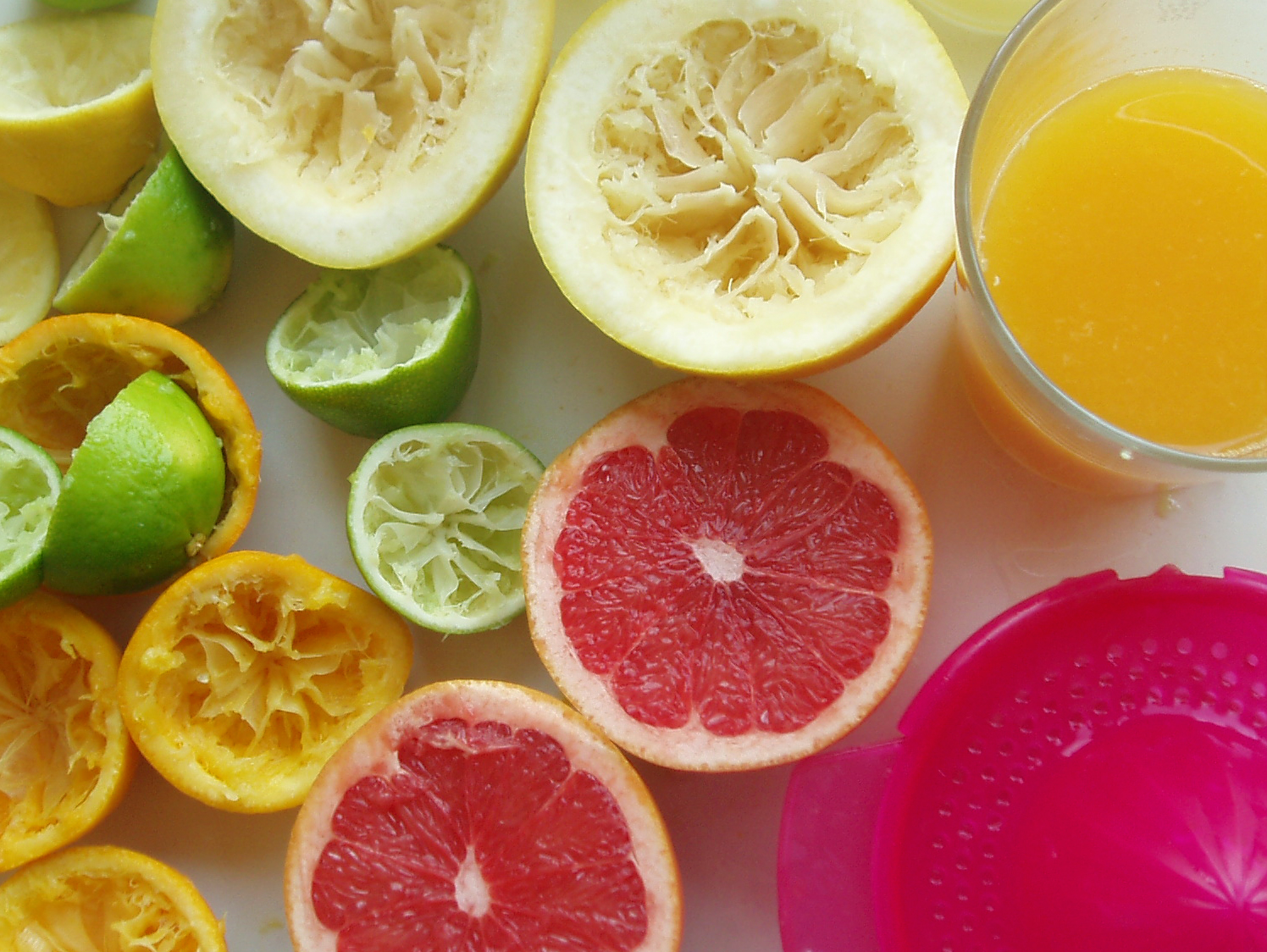
This year, I collected together an assortment of oranges, lemons, limes and grapefruits. Slicing these in half across their middles and juicing them was the easiest part of the task. The freshly-squeezed orange juice was quickly devoured by M and T. I still have to find takers for the lemon, lime and grapefruit juice mixture!

juice

I’ve made my own candied peel for three consecutive years now. In the first year, I gave most of the spoons and knives in my kitchen drawer a turn at attempting to separate the peel from the pith. I distinctly lacked the necessary technique and was lucky to be left with sufficient peel for candying after my rather heavy-handed dissection of the fruits. Last year, I gained a little in experience and realised that a pointed teaspoon was the most effective tool for the job. This year, I discovered that the larger grapefruits and oranges are easier to prepare than the smaller lemons. As well as being the smallest fruits, limes also turned out to be the most unwilling to release their peel from their pith.

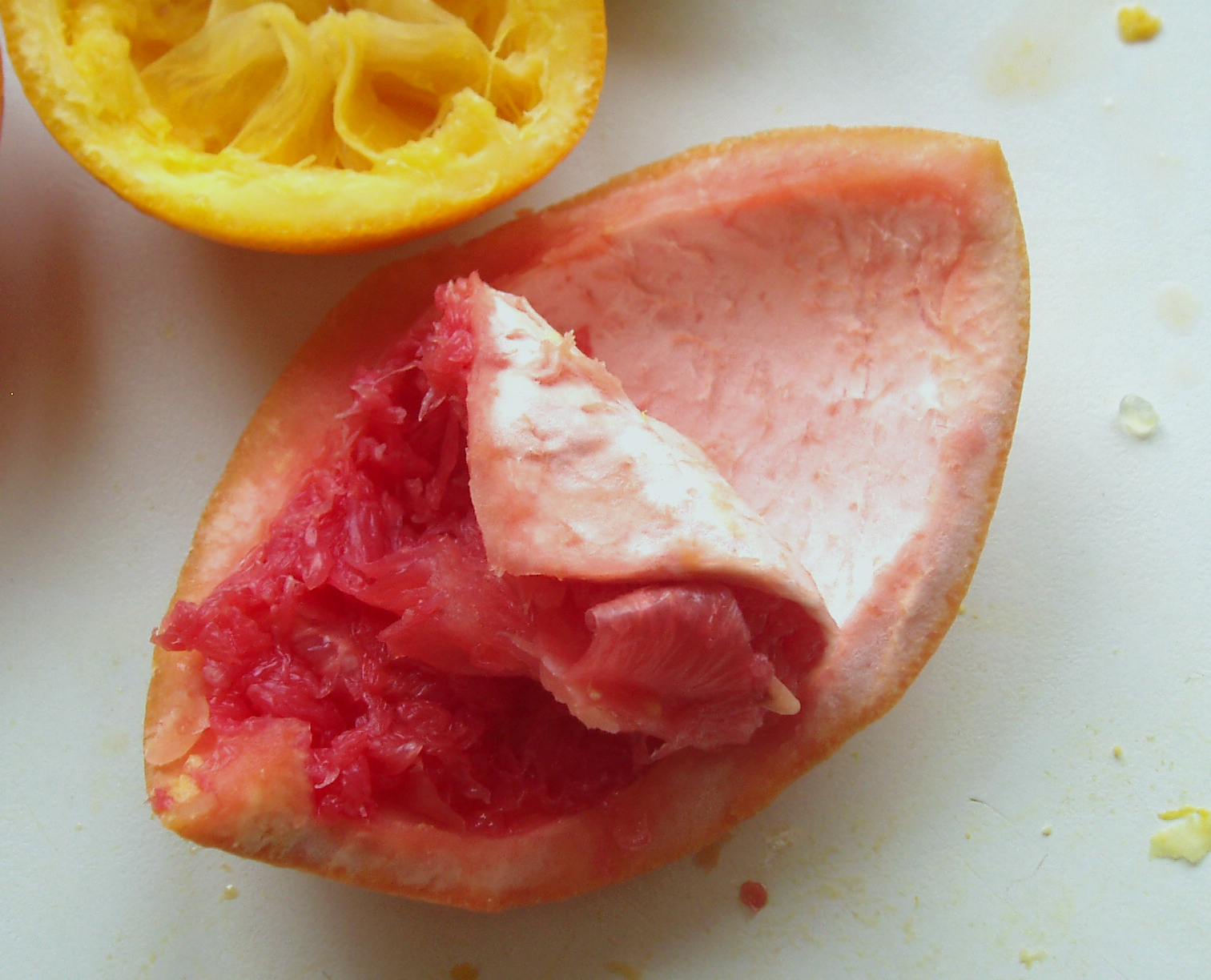
The trick seems to be to first prise away the juicy inner part from the skins (I found this easier when I first divided each fruit portion further into quarters and also cut out the knobbly, ‘tummy button’ bits):

pith

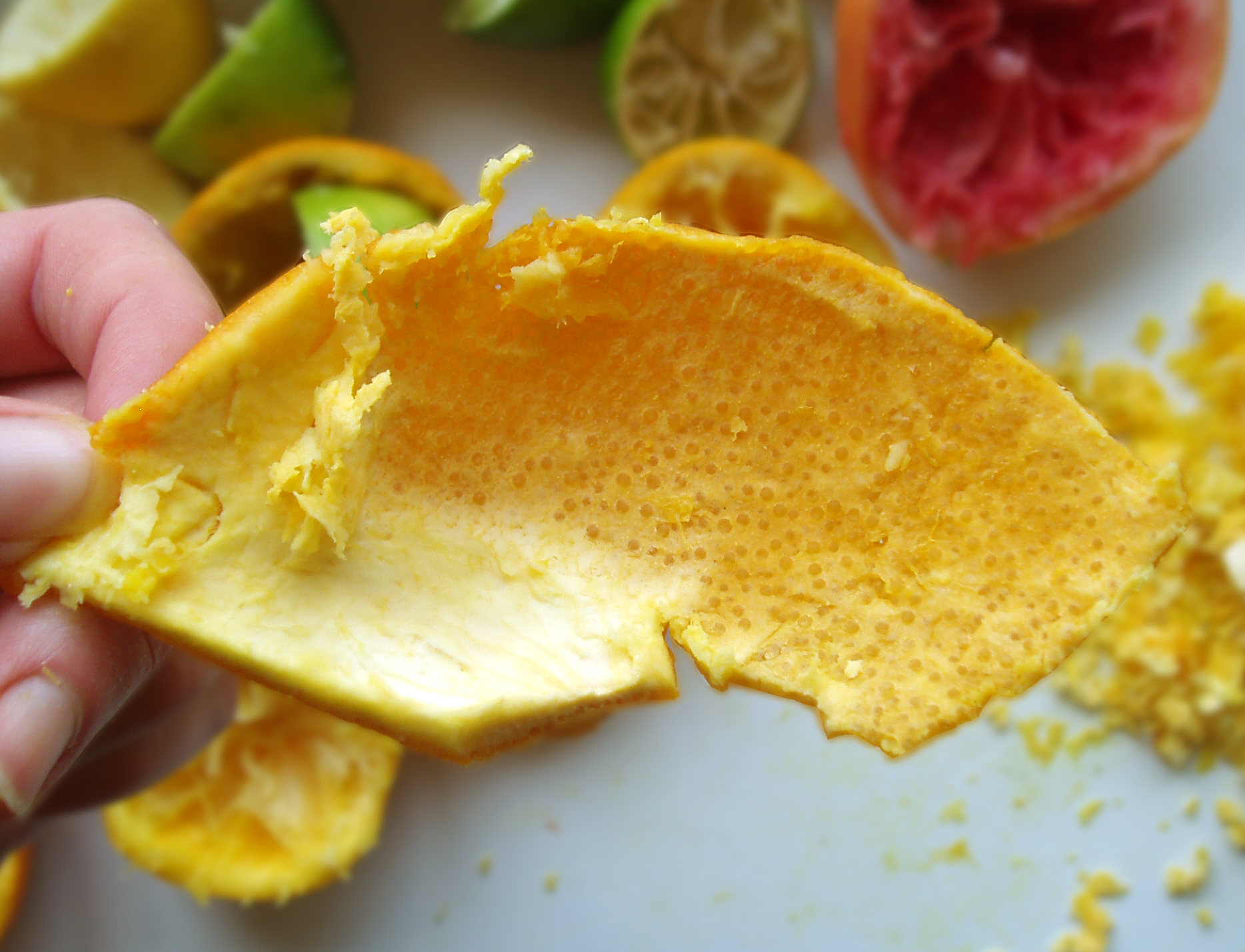
You can then use the pointed teaspoon (curved side upwards) to gently scrape away the remaining pith and reveal the underside of the dots on the fruit’s surface. It feels very much like approaching zesting from the position of being inside rather than outside the fruit!

seeingdots

Once you get this far, it really is the easiest thing in the world to boil the peel until it becomes translucent and to cut it into strips ready for candying in a sugary syrup (full details of this procedure are here).

Anyone who believes (as I used to believe) that candied peel is the most disgusting thing ever, please do try some of your own. The difference between most shop-bought and homemade candied peel is quite extraordinary – instead of a soapy aftertaste, you’ll experience miniature explosions of exquisite citrus tang. I hope that you’d then agree with me that these sparkling jewels are a true celebration of all that glitters!

candiedpeel2

Treatment of Choice

Earlier today, Lauren posted a question on Rose’s blog about why the microwave and not a conventional oven is used in the preparation of kate flour. Although this isn’t the first time I’ve been asked this question, I haven’t actually tried heat-treating flour in my own oven until now. As I responded on Rose’s blog:

I haven’t tried heating flour in a conventional oven (yet!), but I have read about it. In relation to pancake springiness, heat-treatment at 120 degrees C for 2 hours in an oven has been shown to have the same improving effect as chlorination (Seguchi, 1990). Interestingly, incubation of starch granules at room temperature for 233 days also has the same effects on the starch granule’s oil-binding capacity (Seguchi, 1993). However, more recent scientific analysis suggests a different mechanism of starch gelatinisation when the granules are heated in a microwave compared to conduction heating (Palav & Seetharaman, 2006). Microwave heating (but not conduction heating) results in granule rupture, which in turn has an effect on the rheological behaviour of the dough or batter.

Lauren then asked about how to avoid the ‘toasted’ taste when microwaving flour, which is something I have also been thinking about for some time now. Chocolate cakes are one way of masking the flavour (and they always find an appreciative audience among my children), but it would be lovely to be able to solve the ‘colour or crumb‘ conundrum.

It’s funny how the majority of my flour experiments took place whilst builders were working intensively on our home last year. Perhaps the arrival of our plumber this morning acted subconsciously as the final call-to-action today. Whatever the spur, it wasn’t long before 10 oz of soft 00 grade flour was in the oven at 120 degrees C for 2 hours!

From some distant reading, I also recalled an invention in which pharmaceutical substances were prepared in a microwave without scorching by means of continual tumbling (if anyone finds a reference for this memory, do let me know –  I didn’t bookmark the source when I first came across the information). I wasn’t up for continual tumbling today, but I did wonder if perhaps the toasting problem was a result of too little agitation during heating. Now, I have been known to shout and rant a bit at electrical appliances in the past, but I opted instead to agitate the flour every 10 seconds by opening the microwave door and swirling it quickly with a fork. It took about 10 minutes of microwaving-time (which equates to about 18 minutes of preparation time) before the flour reached 130 degrees C.

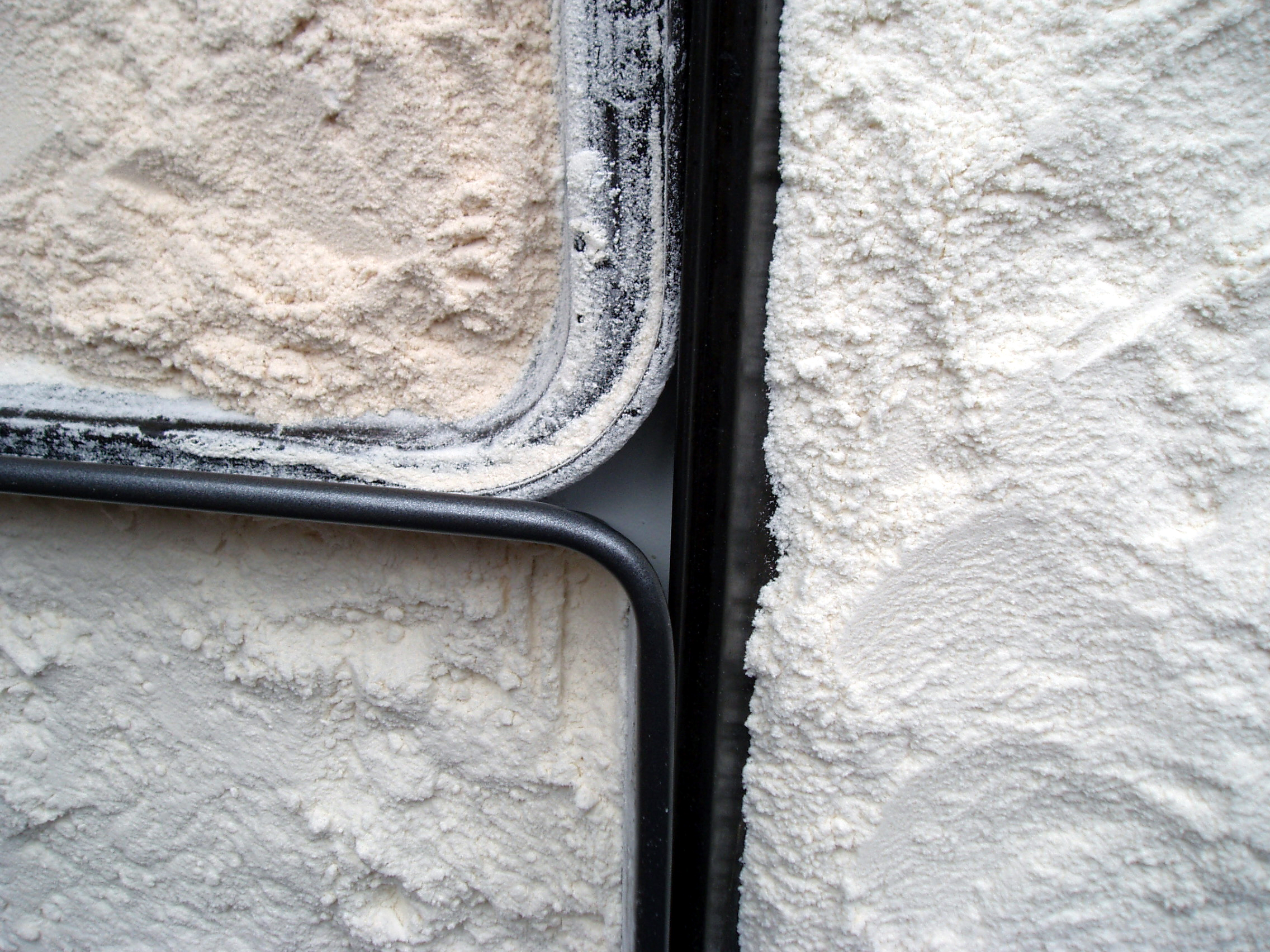
Here are my 3 different flour-treatments of today: to 130 degrees C with 1-minute agitation in the microwave (top-left); to 130 degrees C with 10-second agitation in the microwave (right); 2 hours at 120 degrees C in the oven (bottom-left).

flours

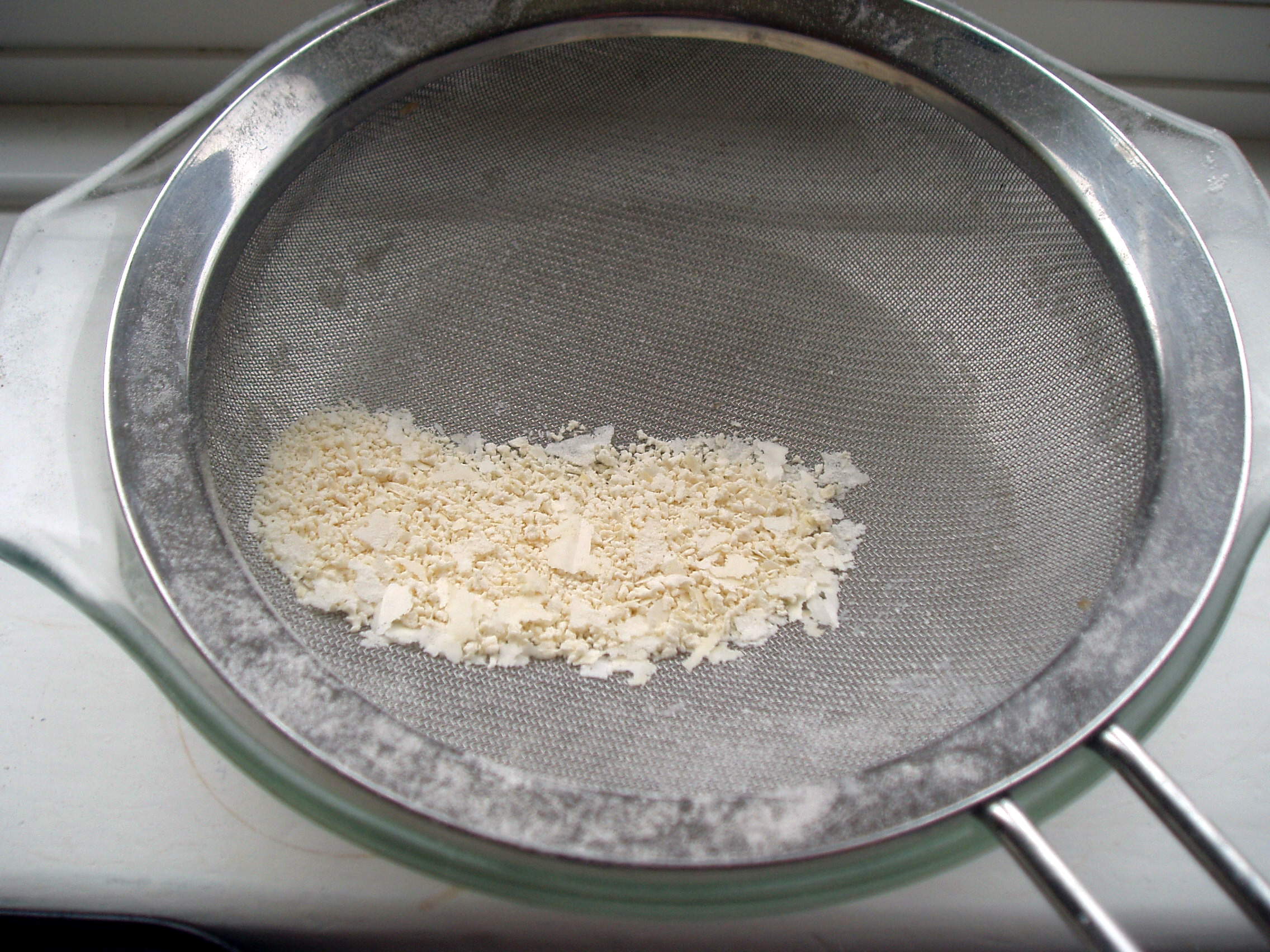
As well as being less toasted than the less-agitated microwaved flour, the whiter-microwaved-flour also produced considerably less wastage on sieving:

aftersieving

I then proceeded to bake cakes using the 2 whitest flours: one lazy lie-in from the oven; one greatly-agitated from the microwave. I am excited to report that both flours produced a yellow butter cake without any taste of toasting and far beyond anything that can be achieved without flour-treatment.

In terms of vital statistics, the microwaved-flour cake rose just over 1 cm higher than the oven-flour cake and had a slightly finer, more delicate crumb. Although today revealed a choice of flour-treatment, for me the ‘battle’ is won by the microwave on two counts: crumb and environment (apparently, the microwave uses about 75% less energy than a conventional electric oven).

battleofthecakes

Toffee Pears

Remember, remember the 5th of November … it’s Bonfire Night, so hands up who thinks I’m making a quirky variation on toffee apples to munch along with your jacket potatoes and ginger parkin?

(Actually, that’s not such a bad idea … but), No! Unfortunately, my toffee pears started life as a recipe for pear jam. Needless to say, I’m not such a good jam-maker. When it comes to pears though, neither is my husband (which is my only slight consolation at the moment!).

Our fruitless hunt for the elusive pear jam started just over six years ago when we took a ‘last-chance-on-our-own’ holiday about two months before the birth of our first daughter. We travelled around Normandy in France, stopping for our final night in a beautiful old farmhouse near Barfleur. At breakfast, we were served a quite exquisite, homemade confiture de poire. I remember venturing into the kitchen to thank our host for providing such a delicious speciality, only to be shooed out with a wave of a tea-towel and a scolding for allowing ‘les mouches’ to buzz in through the open doorway!

My husband made the first attempt to reproduce this jam back home. Failing to reach anything resembling a setting point, it nevertheless made an excellent pear puree for our daughter. Several children later, I recently found a recipe for “une confiture qui me plaît bien” … a highly-recommended recipe for pear jam from France itself, the very place of our first encounter! I eagerly assembled a collection of Conference, Rocha, Comice and Williams pears and promised my husband a long-overdue re-acquaintance with the jam of his dreams.

To my chagrin, his doubts were confirmed. “Is it supposed to do this?” he asked, attempting to retrieve his spoon from the sticky caramel in the jam jars.

jamcaramel

Hmmm. Perhaps not.

But … but, but but … it really is quite tasty, in a toffee-pear sort of way!

So, I now have 3 jars of ‘toffee pears’ to use.

Any suggestions?!

jamjar

October Celebrations

If you had knocked on our door last night, you would have been greeted by four witches, a baby pumpkin, Morticia Addams and a princess. Okay, you may have been surprised to find the princess (M, who has been practising dressing-up as a witch since at least July, suddenly decided last night that she would rather wear a pink, sparkly costume), but the rest of the crew were probably normal enough among family gatherings on October 31st.

Earlier in the day, I collected together an assortment of black bin-liners and cobweb material so that my husband could transform our upstairs playroom into a witch’s lair for our 3 children and two of their friends. We prepared witch’s hair (black spaghetti), cauldron stew (bolognaise sauce), a snake-pit jelly and ghostly biscuits. I even went to the unaccustumed length of buying black eyeliner, mascara, glittery white powder and black nail varnish to complete my Morticia look (if it was off-putting to play the piano last night with black nails, I can confirm that it is even more so to type with them now!).

Underneath the party cliches and hype however, Hallowe’en has ancient roots that remind us of the changing seasons and our connections to the land. Standing at the end of summer, the festival once marked the beginning of a New Year in the old Celtic calendar. How fitting therefore that this October should also be a time for Rose Levy Beranbaum to both celebrate the 20th anniversary of The Cake Bible and to look forward to the publication of her new book in 2009!

It was in more ways than one therefore that our celebrations last night were completed by Rose’s Pumpkin-Walnut Ring (which I made in a loaf tin, being completely unable to find a small-enough tube or Bundt pan in any local shops last week).

Happy Hallowe’en to everyone and Happy Birthday to The Cake Bible. 🙂

  • Enter your email address to subscribe to this blog and receive notifications of new posts by email.

    Join 289 other subscribers
  • Seasonal Recipes

    candied peel

    baileys chocolate truffles

    gingerbread men

    mince pies

    fudge

    smarties cookies

  • Freshly Made

  • Categories

  • Favourite Feasts

  • Awards

    DMBLGIT Award
  • Archives

  • wordpress visitor counter
  • Adventures in food by Kate Coldrick from Woodbury in Devon.